05 Jun, 2026
Safety First: Our On-Site OSHA Compliance Standards
Safety First: Our On-Site OSHA Compliance Standards
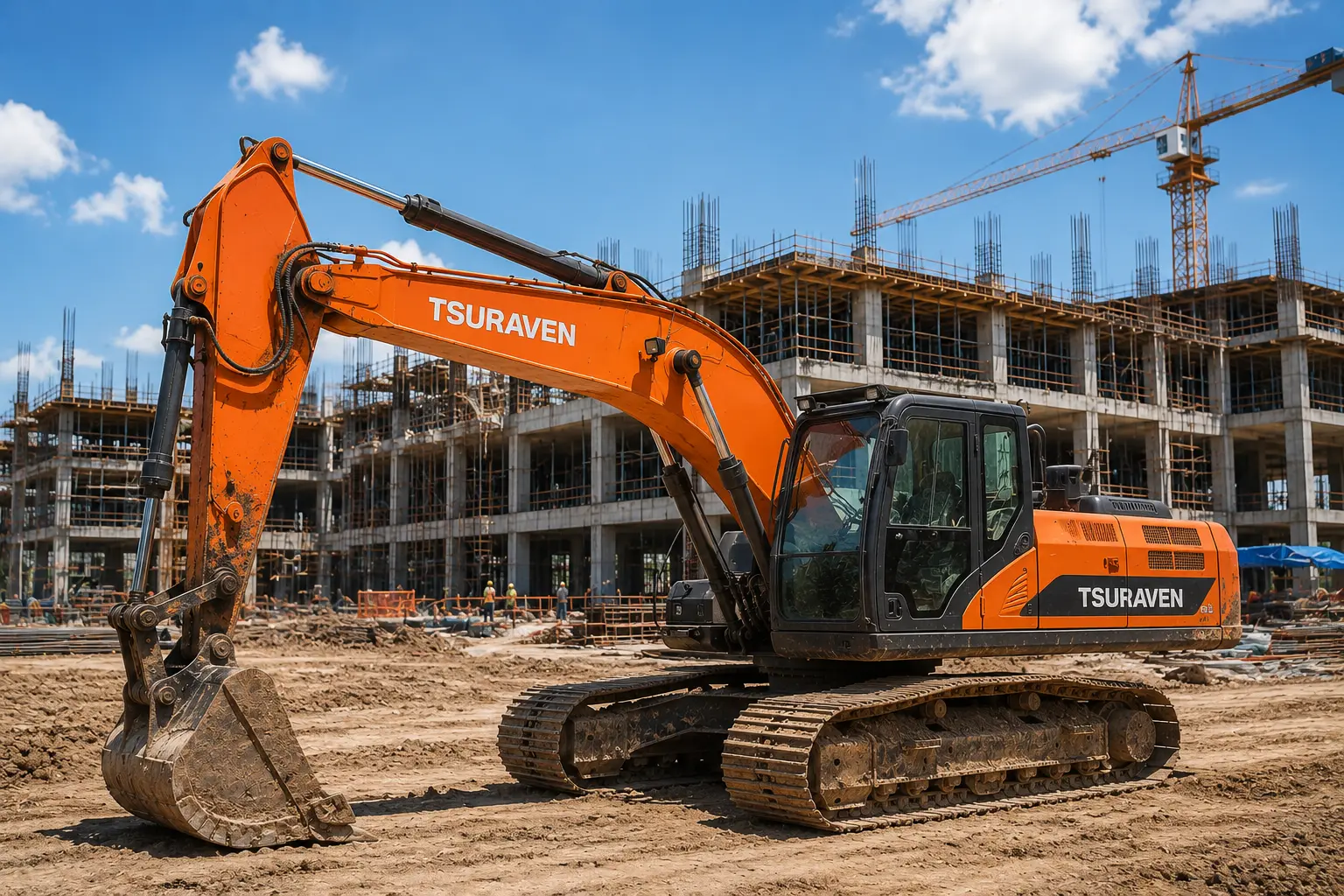
No project timeline is worth compromising on safety. Every site we operate follows strict OSHA-aligned protocols from day one.
Our Site Safety Standards
Every crew member completes safety orientation before stepping on-site, and daily toolbox talks keep hazards top of mind.
Mandatory PPE checks at every site entry point
Weekly equipment and scaffolding inspections
On-call safety officers during all active work hours
“Zero incidents isn’t a slogan for us, it’s the daily goal every single crew works toward.” — Head of Site Safety
Why Safety Culture Starts Before the First Nail
Too many safety programs exist only on paper. Ours is built into how we plan a project long before crews ever set foot on-site. During pre-construction, our safety team walks the site plans alongside the project manager to flag fall hazards, confined spaces, utility conflicts, and traffic control needs. That review shapes the site logistics plan, not the other way around.
This upfront planning matters because most serious incidents are preventable. According to OSHA, falls, struck-by incidents, electrocutions, and caught-in/between hazards, the so-called “Fatal Four”, account for the majority of construction fatalities nationwide. Our protocols are built specifically around eliminating exposure to each of these before work even begins.
Training That Goes Beyond the Minimum
Every worker on our sites completes OSHA 10-Hour training at minimum, with supervisors and foremen holding OSHA 30-Hour certification. But certification is only the starting point. New hires shadow an experienced crew member for their first week, and nobody operates heavy machinery without hands-on sign-off from a certified trainer.
Site-specific orientation covering hazards unique to that job
Monthly refresher trainings on fall protection and ladder safety
Certified rigging and crane signal training for lift operations
First aid, CPR, and AED certification for every site supervisor
Daily Habits That Keep Everyone Accountable
Toolbox talks happen every morning before the first task begins, covering the day’s specific risks, from working near live traffic to elevated concrete pours. Crews review the Job Hazard Analysis together, and any worker can pause work at any time if something looks unsafe, no exceptions, no pushback.
We track near-misses just as closely as incidents. A near-miss that goes unreported today is often the incident of tomorrow, so we’ve built a culture where flagging a close call is treated as a contribution, not a complaint.
Equipment and Site Conditions
Beyond training, equipment integrity is non-negotiable. Every crane, lift, and piece of powered equipment is logged and inspected before use, and anything flagged during an inspection is taken out of rotation immediately, no matter how far behind it puts the schedule.
Daily equipment logs signed off by a certified operator
Guardrails and netting installed before any elevated work begins
Excavation and trenching sites shored and inspected daily
Clear signage and barricades around live electrical work
Emergency Preparedness on Every Site
Every site maintains a posted emergency action plan, including evacuation routes, muster points, and the nearest trauma-capable hospital. Site supervisors run unannounced emergency drills each quarter to make sure the plan isn’t just a document taped to a trailer wall, but something the whole crew can execute without hesitation.
The Results Speak for Themselves
Our recordable incident rate has stayed well below the industry average for five consecutive years, and we’ve completed over 30 major projects without a single lost-time injury. We don’t see that as a lucky streak, we see it as proof that disciplined, well-funded safety programs work.
Clients regularly tell us our safety record was a deciding factor in choosing us as their contractor, and we take that trust seriously on every single job, big or small.
No project timeline is worth compromising on safety. Every site we operate follows strict OSHA-aligned protocols from day one.
Our Site Safety Standards
Every crew member completes safety orientation before stepping on-site, and daily toolbox talks keep hazards top of mind.
Mandatory PPE checks at every site entry point
Weekly equipment and scaffolding inspections
On-call safety officers during all active work hours
“Zero incidents isn’t a slogan for us, it’s the daily goal every single crew works toward.” — Head of Site Safety
Why Safety Culture Starts Before the First Nail
Too many safety programs exist only on paper. Ours is built into how we plan a project long before crews ever set foot on-site. During pre-construction, our safety team walks the site plans alongside the project manager to flag fall hazards, confined spaces, utility conflicts, and traffic control needs. That review shapes the site logistics plan, not the other way around.
This upfront planning matters because most serious incidents are preventable. According to OSHA, falls, struck-by incidents, electrocutions, and caught-in/between hazards, the so-called “Fatal Four”, account for the majority of construction fatalities nationwide. Our protocols are built specifically around eliminating exposure to each of these before work even begins.
Training That Goes Beyond the Minimum
Every worker on our sites completes OSHA 10-Hour training at minimum, with supervisors and foremen holding OSHA 30-Hour certification. But certification is only the starting point. New hires shadow an experienced crew member for their first week, and nobody operates heavy machinery without hands-on sign-off from a certified trainer.
Site-specific orientation covering hazards unique to that job
Monthly refresher trainings on fall protection and ladder safety
Certified rigging and crane signal training for lift operations
First aid, CPR, and AED certification for every site supervisor
Daily Habits That Keep Everyone Accountable
Toolbox talks happen every morning before the first task begins, covering the day’s specific risks, from working near live traffic to elevated concrete pours. Crews review the Job Hazard Analysis together, and any worker can pause work at any time if something looks unsafe, no exceptions, no pushback.
We track near-misses just as closely as incidents. A near-miss that goes unreported today is often the incident of tomorrow, so we’ve built a culture where flagging a close call is treated as a contribution, not a complaint.
Equipment and Site Conditions
Beyond training, equipment integrity is non-negotiable. Every crane, lift, and piece of powered equipment is logged and inspected before use, and anything flagged during an inspection is taken out of rotation immediately, no matter how far behind it puts the schedule.
Daily equipment logs signed off by a certified operator
Guardrails and netting installed before any elevated work begins
Excavation and trenching sites shored and inspected daily
Clear signage and barricades around live electrical work
Emergency Preparedness on Every Site
Every site maintains a posted emergency action plan, including evacuation routes, muster points, and the nearest trauma-capable hospital. Site supervisors run unannounced emergency drills each quarter to make sure the plan isn’t just a document taped to a trailer wall, but something the whole crew can execute without hesitation.
The Results Speak for Themselves
Our recordable incident rate has stayed well below the industry average for five consecutive years, and we’ve completed over 30 major projects without a single lost-time injury. We don’t see that as a lucky streak, we see it as proof that disciplined, well-funded safety programs work.
Clients regularly tell us our safety record was a deciding factor in choosing us as their contractor, and we take that trust seriously on every single job, big or small.
Recommended
Read Another blogs
Read Another blogs
28 Jul, 2026
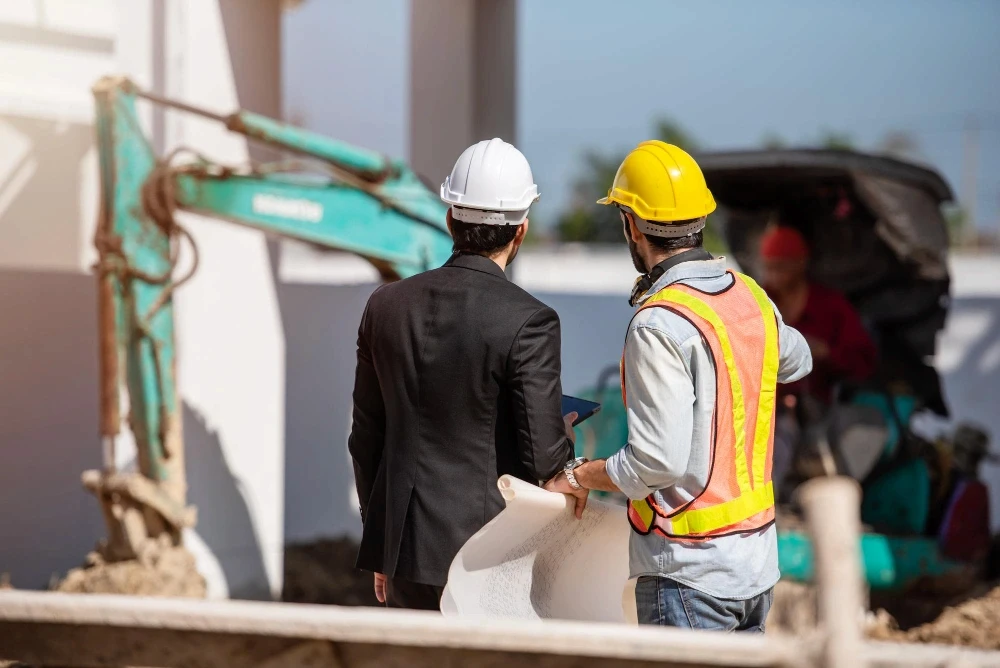
Breaking Ground on the Riverside Office Tower
Read Full Blog
28 Jul, 2026
Breaking Ground on the Riverside Office Tower
Read Full Blog
14 Jul, 2026
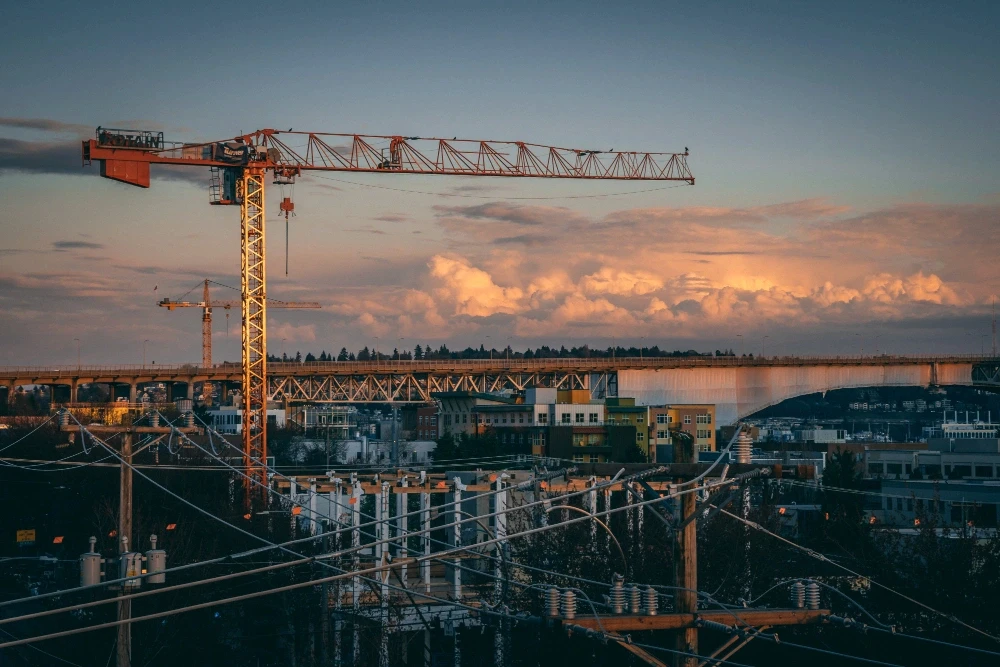
5 Signs It's Time to Renovate Your Commercial Building
Read Full Blog
14 Jul, 2026
5 Signs It's Time to Renovate Your Commercial Building
Read Full Blog

02 Jul, 2026
How to Choose the Right General Contractor for Your Project
Read Full Blog
02 Jul, 2026
How to Choose the Right General Contractor for Your Project
Read Full Blog
28 Jul, 2026
Breaking Ground on the Riverside Office Tower
Read Full Blog
14 Jul, 2026
5 Signs It's Time to Renovate Your Commercial Building
Read Full Blog
02 Jul, 2026
How to Choose the Right General Contractor for Your Project
Read Full Blog
19 Jun, 2026
Sustainable Building Materials We're Using in 2026
Read Full Blog

Stay connected
Get company news, project highlights, and updates from the field.
Contact info
Working hours
Everyday: 8:00am - 9:00pm
TSURAVEN
Stay connected
Get company news, project highlights, and updates from the field.
Contact info
Working hours
Everyday: 8:00am - 9:00pm
TSURAVEN
Stay connected
Get company news, project highlights, and updates from the field.
Contact info
Working hours
Everyday: 8:00am - 9:00pm